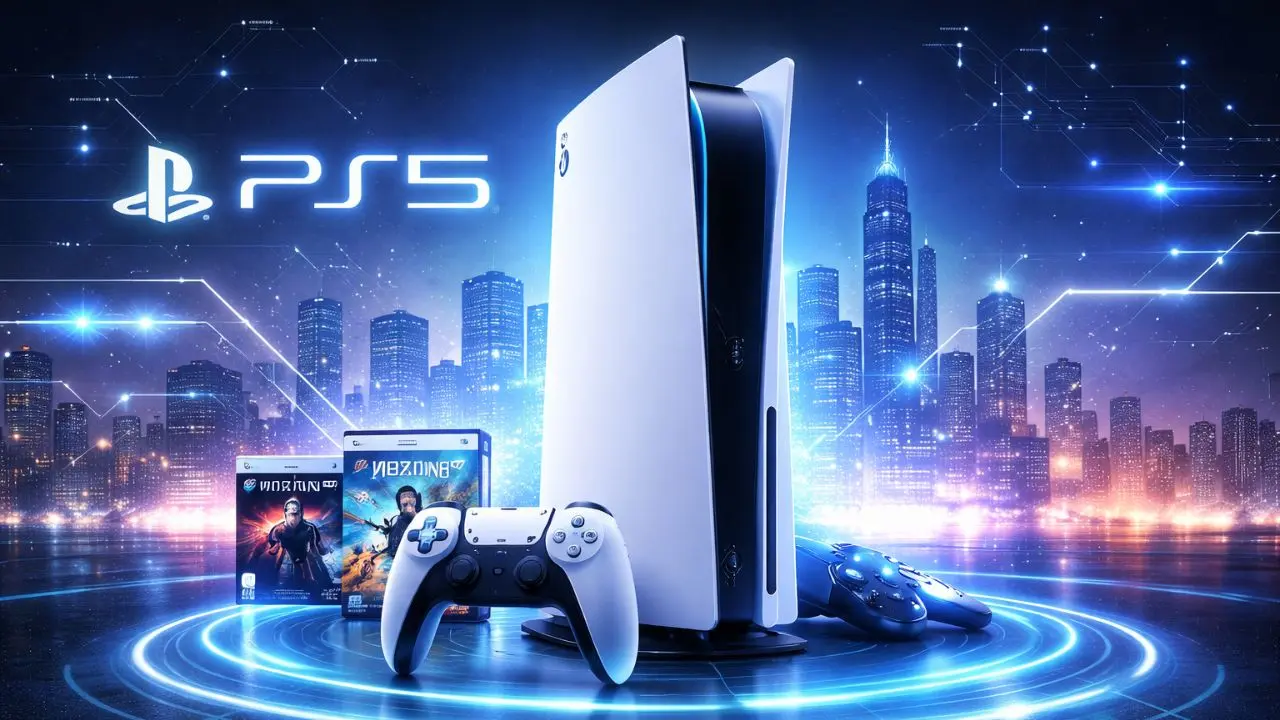
PS5 supply 2026: Sony says PlayStation 5 production will remain stable through 2026 despite global memory shortages. Discover what this means for gamers, console prices, and the future of PlayStation.
The gaming industry has experienced dramatic changes over the past few years, shaped by supply chain disruptions, semiconductor shortages, rising component costs, and rapidly evolving consumer demand. Among the most affected products has been the PlayStation 5 (PS5), Sony’s flagship gaming console that launched into one of the most challenging manufacturing environments in modern tech history.
Now, in a significant reassurance for gamers and the broader gaming ecosystem, Sony has confirmed that it has secured sufficient memory chip supply to continue stable PS5 production through the end of 2026, even as global shortages continue to impact multiple technology sectors. This announcement carries important implications not only for PlayStation fans but also for pricing strategies, software growth, and the long-term direction of the console market.
This in-depth article explores the full story behind Sony’s confidence, the realities of the global memory shortage, and what the future may hold for PS5 availability and pricing.
The Lingering Impact of Global Component Shortages-PS5 supply 2026
To understand why Sony’s announcement matters, it is essential to revisit the broader context of global semiconductor and memory shortages.
A Perfect Storm for Technology Manufacturing
Since the early 2020s, the world has faced an unusual convergence of challenges:
- Pandemic-driven factory shutdowns
- Logistics and shipping disruptions
- Surging demand for electronics and cloud infrastructure
- Rapid expansion of artificial intelligence data centers
- Limited semiconductor fabrication capacity
Memory components such as DRAM and NAND flash became especially constrained because they are used across smartphones, servers, graphics cards, and gaming consoles. When supply tightens in one sector, ripple effects spread across the entire technology landscape.
For gaming hardware manufacturers, this meant reduced production volumes, fluctuating retail availability, and occasional price pressures—all of which directly affected the PS5 during its early lifecycle.
Read Also: iPhone 18 Pro Max and iPhone 18 Pro: A Deep Dive Into Apple’s Most Ambitious iPhone Yet
Sony’s Strategic Response to Supply Challenges
Rather than waiting for shortages to resolve naturally, Sony appears to have taken a long-term procurement and negotiation approach.
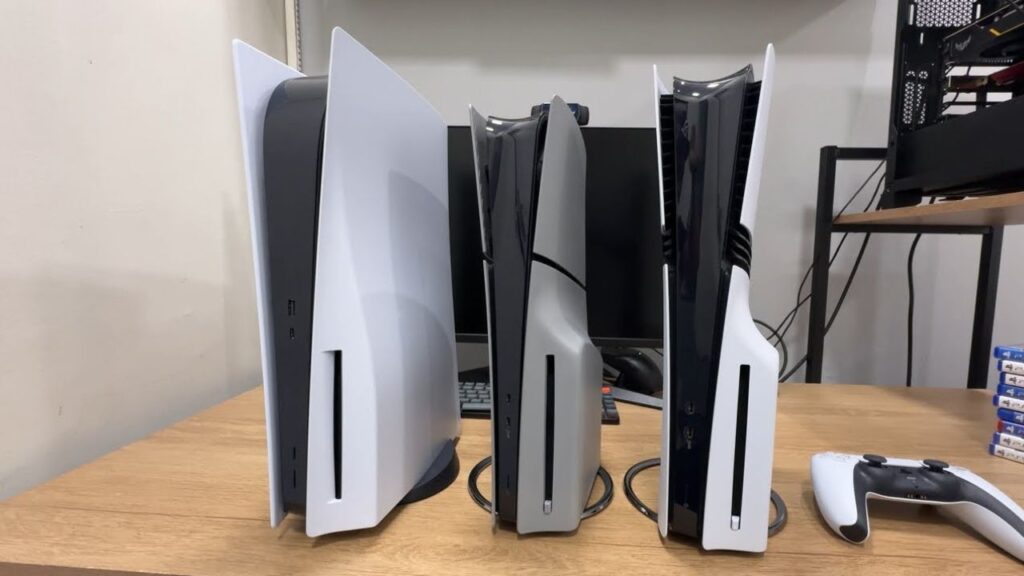
Securing Minimum Memory Requirements
Sony’s financial leadership has indicated that the company successfully negotiated with suppliers to lock in the minimum memory volumes needed for PS5 production through 2026. This proactive planning reduces the risk of sudden stock shortages during key retail periods, especially:
- Holiday shopping seasons
- Major game release windows
- Promotional sales events
For gamers, this translates into greater availability and fewer restock frustrations, a sharp contrast to the console’s launch-era scarcity.
Why Memory Chips Matter So Much for Consoles
Modern gaming consoles are essentially high-performance computing systems. The PS5 relies on advanced memory architecture to deliver:
- Ultra-fast game loading through SSD integration
- High-resolution textures and detailed worlds
- Stable frame rates in demanding titles
- Seamless open-world streaming
Without reliable memory supply, even a fully assembled console cannot reach store shelves. This is why Sony’s ability to secure memory components is arguably the single most critical factor in maintaining PS5 production stability.
Price Stability: A Major Relief for Gamers
Another key takeaway from Sony’s outlook is the intention to avoid significant PS5 price increases during 2026, despite rising component costs.
Absorbing Cost Pressures
Instead of passing higher memory prices directly to consumers, Sony appears focused on:
- Protecting console affordability
- Expanding its player base
- Increasing long-term revenue through software and services
This reflects a classic console industry strategy:
Sell hardware competitively, then grow profits through the ecosystem.
The Real Profit Engine: Games, Services, and Subscriptions
While hardware sales generate visibility, the true financial strength of modern gaming platforms lies elsewhere.
Sony continues to expand revenue through:
- Digital game purchases
- Downloadable content (DLC)
- Online multiplayer services
- Subscription platforms such as PlayStation Plus
- In-game microtransactions and live-service titles
By ensuring PS5 availability remains steady, Sony protects the long-term growth of this ecosystem, which is far more profitable than console hardware alone.
What Stable PS5 Supply Means for Gamers
Sony’s confidence in supply stability creates several positive outcomes for players worldwide.
1. Easier Console Availability
Gamers are less likely to face:
- Scalper-driven price inflation
- Long waiting lists
- Limited regional stock
2. Stronger Game Release Pipeline
Developers can confidently build PS5-exclusive or PS5-optimized titles knowing the player base will continue expanding.
3. Healthier Gaming Community Growth
Stable hardware supply supports:
- Competitive esports scenes
- Online multiplayer ecosystems
- Cross-platform gaming innovation
In short, availability fuels creativity across the entire gaming industry.
The Broader Console Market Landscape
Sony’s announcement also highlights shifting dynamics in the global console space.
Hardware Cycles Are Becoming Longer
Unlike older generations that refreshed quickly, modern consoles:
- Receive mid-generation upgrades
- Rely on software optimization
- Maintain relevance for many years
If PS5 supply remains stable through 2026, the platform could enjoy one of the longest and healthiest lifecycles in PlayStation history.
Risks That Still Remain Beyond 2026
While Sony’s outlook is reassuring, uncertainty has not disappeared entirely.
Possible Future Challenges
- Continued AI-driven memory demand
- Geopolitical tensions affecting chip production
- Currency fluctuations influencing pricing
- Next-generation console transition planning
If shortages extend past 2026, pricing or production adjustments could emerge later. However, for now, Sony appears well-positioned.
Long-Term Vision for PlayStation
Sony’s strategy suggests a measured, ecosystem-focused future rather than rapid hardware turnover.
Key priorities likely include:
- Expanding cloud gaming capabilities
- Strengthening first-party game studios
- Integrating cross-platform experiences
- Enhancing subscription value
Stable PS5 production provides the foundation for all these ambitions.
Industry Lesson: Preparation Beats Reaction
Sony’s handling of memory shortages demonstrates a broader business principle:
Companies that secure supply early gain stability when markets become unpredictable.
This proactive mindset may explain why PS5 availability has gradually improved compared to the chaotic early years.
Read Also: OPPO Find X9 Pro: The Complete Flagship Experience Redefining Smartphones in 2026
The Player Perspective: Confidence Returns
For gamers, the most meaningful outcome is simple:
You can expect the PS5 to remain accessible, supported, and relevant for years to come.
That confidence encourages:
- New buyers to join the platform
- Developers to invest in ambitious titles
- Communities to grow without disruption
Stability, in gaming as in technology, is often the key ingredient for innovation.
Conclusion
Sony’s confirmation that PS5 production can remain stable through 2026—despite ongoing global memory shortages—marks an important milestone for the gaming industry. After years of uncertainty, supply disruptions, and fluctuating availability, the PlayStation ecosystem is entering a period of predictability and sustained growth.
By securing memory components, protecting console pricing, and focusing on long-term ecosystem revenue, Sony is demonstrating a strategic balance between hardware stability and software expansion. This approach not only benefits the company but also strengthens the entire gaming community.
While challenges may still emerge beyond 2026, the current outlook is clear:
The PS5 era is far from over—and its strongest years may still lie ahead.
For gamers, developers, and the industry as a whole, that is very good news indeed.
1 thought on “Sony Confirms PS5 Supply Stability Until 2026 Despite Global Memory Shortages”