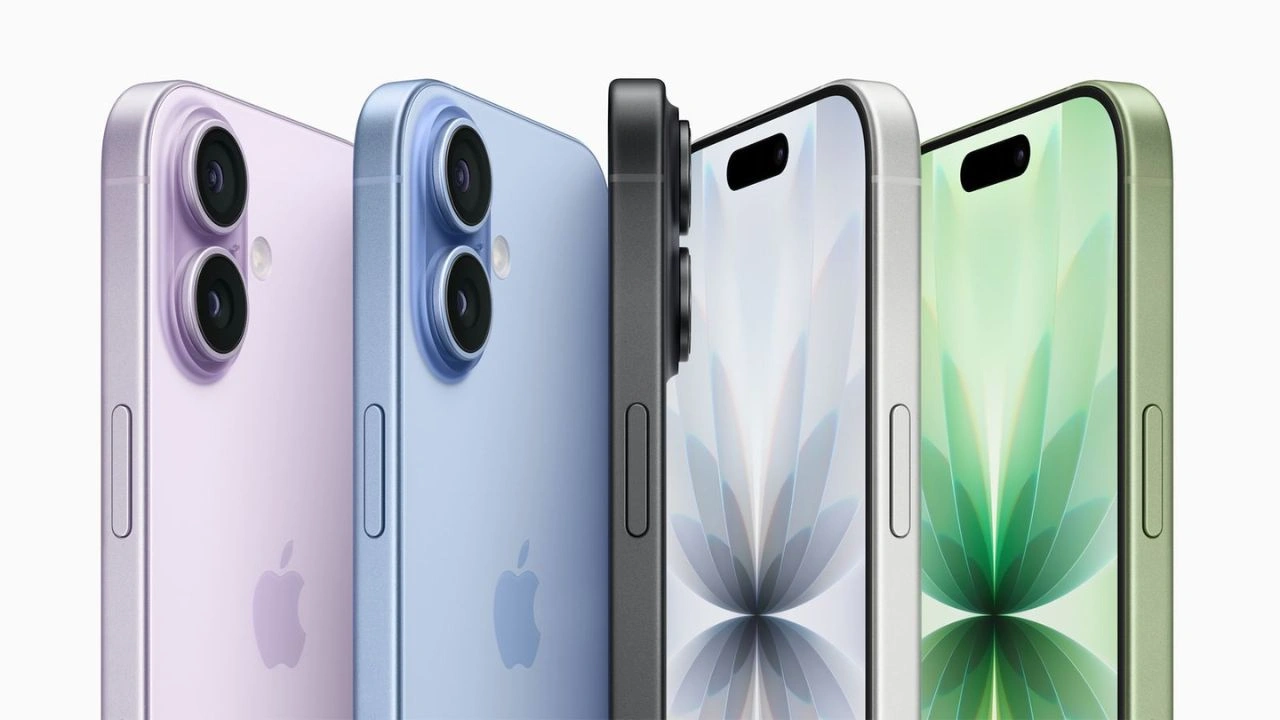
Apple iPhone 17: A refinement-focused iPhone expected to prioritize efficiency, balance, and long-term usability over dramatic hardware shifts.
Every year, anticipation builds around Apple’s next iPhone. Yet the biggest changes rarely come from headline-grabbing specifications. Instead, Apple tends to focus on small, cumulative improvements that quietly reshape the daily experience of millions of users. The Apple iPhone 17 is widely expected to follow this pattern.
Rather than reinventing the smartphone, Apple’s approach has consistently been about polish, consistency, and ecosystem strength. This article examines the iPhone 17 from that perspective: what Apple is likely to prioritize, how it may differ from earlier models, and—most importantly—whether it will genuinely solve real user problems.
This is not a leak roundup or speculation-driven rumor piece. It is a grounded, user-first analysis based on Apple’s established design philosophy and long-term product strategy from Apple.
Understanding Apple’s iPhone Strategy
To understand the iPhone 17, you first need to understand how Apple builds products.
Apple rarely introduces radical changes year over year. Instead, it:
- Refines hardware over multiple generations
- Improves efficiency rather than chasing peak specs
- Uses software to unlock new capabilities
- Prioritizes long-term support and stability
This approach explains why older iPhones remain usable for years and why incremental updates often feel more meaningful in daily use than they appear on paper.
The iPhone 17 is expected to be part of this refinement cycle, not a radical departure.
Read Also: iQOO Z11 Turbo: A Performance-Driven Flagship That Redefines Speed and Endurance
Why Incremental iPhones Still Matter
Many users ask: “If changes are small, why upgrade?”
The answer lies in cumulative experience. Over time, Apple improves:
- Battery efficiency
- Thermal management
- Display tuning
- Camera consistency
- Software responsiveness
Each improvement may seem minor alone, but together they create a phone that:
- Feels smoother
- Runs cooler
- Lasts longer
- Ages more gracefully
The iPhone 17 is expected to continue this trajectory.
Design Direction: Familiar, But More Mature
Apple has settled into a recognizable design language for iPhones. Flat edges, clean lines, premium materials, and balanced proportions define the modern iPhone look.
What’s Likely to Stay the Same
- A compact, pocket-friendly footprint
- Premium materials with high durability
- Minimalist aesthetics with subtle refinements
Where Refinement Happens
- Slight weight redistribution for comfort
- Improved structural rigidity
- Minor ergonomic tweaks that reduce fatigue
Apple tends to optimize how a phone feels rather than how different it looks. The iPhone 17 is expected to feel more refined in hand, even if it looks similar at first glance.
Display Experience: Optimized for Real Usage
Displays are one of the most noticeable aspects of any smartphone. Apple’s display strategy has long focused on:
- Accurate colors
- Comfortable brightness levels
- Consistent performance over time
Rather than pushing extreme refresh rates or brightness numbers, Apple tunes displays to feel smooth and natural across everyday tasks.
Why This Matters
Most people use their phone for:
- Reading messages and articles
- Watching short-form video
- Browsing social media
- Video calls
Apple optimizes displays to excel in these scenarios, not just in lab tests. The iPhone 17 is expected to continue this approach, emphasizing visual comfort and efficiency.
Performance Philosophy: Efficiency Over Raw Power
Apple’s silicon strategy has changed how smartphone performance is measured. Instead of focusing solely on speed, Apple designs chips to:
- Deliver consistent performance
- Minimize heat
- Extend battery life
- Support advanced on-device processing
The iPhone 17 is expected to benefit from the next generation of Apple silicon, continuing this trend.
What Users Actually Notice
- Apps open instantly
- Multitasking feels fluid
- Performance remains stable over years
- Fewer slowdowns as the phone ages
For most users, this matters far more than peak benchmark scores.
Battery Life: Quietly Improving Every Year
Apple rarely advertises battery capacity numbers. Instead, it focuses on usage scenarios:
- Video playback
- Streaming
- Browsing
- Standby time
This approach reflects Apple’s belief that real-world endurance matters more than raw capacity.
The iPhone 17 is expected to deliver:
- All-day battery life for most users
- Improved efficiency during background tasks
- Better battery health management over time
Why Apple’s Battery Strategy Works
By tightly controlling hardware and software, Apple often achieves comparable or better endurance than competitors with larger batteries.
Charging & Battery Longevity
Charging is not just about speed—it’s about long-term battery health.
Apple prioritizes:
- Controlled charging speeds
- Thermal safety
- Battery lifespan over years
The iPhone 17 is expected to continue supporting optimized charging features that reduce battery wear, especially for overnight charging habits.
Camera System: Consistency Beats Complexity
Apple’s camera philosophy is different from many competitors. Instead of offering multiple niche lenses, Apple focuses on:
- Consistent image quality
- Reliable color reproduction
- Strong video performance
- Smart computational photography
What This Means for Users
- Photos look natural without editing
- Video remains industry-leading for casual creators
- Low-light performance improves incrementally each year
The iPhone 17 is expected to refine these strengths rather than reinvent the camera system.
Video: Apple’s Hidden Advantage
While much attention goes to photo specs, Apple dominates mobile video.
Apple iPhones are widely used for:
- Social media content
- Vlogging
- Professional short-form video
The iPhone 17 is expected to continue this dominance with:
- Stable video output
- Reliable color and exposure
- Strong audio-video synchronization
For many users, video quality matters more than still photography.
Software & Longevity: Apple’s Biggest Advantage
Hardware matters—but software longevity matters more.
Apple supports iPhones with:
- Years of major iOS updates
- Regular security patches
- Feature updates tied to hardware capabilities
Why This Is Crucial
A phone that receives updates for 5–6 years:
- Stays secure
- Remains compatible with apps
- Retains resale value
The iPhone 17 is expected to be a long-term device, not a short-lived upgrade.
Ecosystem Integration: More Valuable Than Specs
Apple’s ecosystem is often underestimated in spec comparisons.
The iPhone 17 will seamlessly integrate with:
- Macs and iPads
- Apple Watch
- AirPods
- iCloud services
This creates a cohesive experience that:
- Saves time
- Reduces friction
- Improves productivity
For users already invested in Apple’s ecosystem, this is a major reason to stay.
Who Is the iPhone 17 Really For?
The iPhone 17 is expected to appeal to:
- Users upgrading from older iPhones (3–5 years old)
- People who value reliability and stability
- Professionals who need consistent performance
- Users who don’t want bulky phones
It is less suited for:
- Buyers chasing extreme camera zoom
- Users who want experimental features
- Those who upgrade every year regardless
How the iPhone 17 Fits Into the Lineup
Apple’s lineup strategy typically creates clear tiers:
- Entry-level models
- Mainstream iPhones
- Pro-focused devices
The iPhone 17 is expected to sit squarely in the mainstream premium category, offering the best balance of size, performance, and usability.
Common Questions Users Have
Is it worth upgrading from iPhone 14 or 15?
Likely yes, if battery life and performance consistency matter to you.
Is it better than Pro models?
No—it’s different. Pro models focus on advanced photography and power-user features.
Will it feel outdated quickly?
Unlikely. Apple designs iPhones to age slowly.
Buying Advice: Wait or Upgrade?
You should consider the iPhone 17 if:
- Your current phone struggles with battery life
- You want longer software support
- You prefer a balanced phone over feature overload
You may want to wait if:
- Your current iPhone is still fast and reliable
- You want Pro-exclusive features
- You upgrade infrequently and want a larger leap
Read Also: Realme Neo 8: A True Performance Flagship Built for Power Users
Why the iPhone 17 Matters More Than It Seems
The iPhone 17 represents Apple’s belief that smartphones no longer need to change dramatically to improve meaningfully.
Instead, Apple focuses on:
- Comfort
- Reliability
- Efficiency
- Longevity
In a mature market, these qualities matter more than novelty.
Conclusion: A Sensible, Long-Term iPhone
The Apple iPhone 17 is expected to be a carefully refined device that emphasizes everyday usability over flashy innovation. For users who value a phone that:
- Works reliably
- Ages gracefully
- Integrates seamlessly into daily life
…it is shaping up to be a sensible and future-proof choice.
The iPhone 17 isn’t about redefining smartphones—it’s about perfecting what already works.
1 thought on “Apple iPhone 17: What to Expect, How It Fits the iPhone Lineup, and Whether It’s Worth Waiting For”