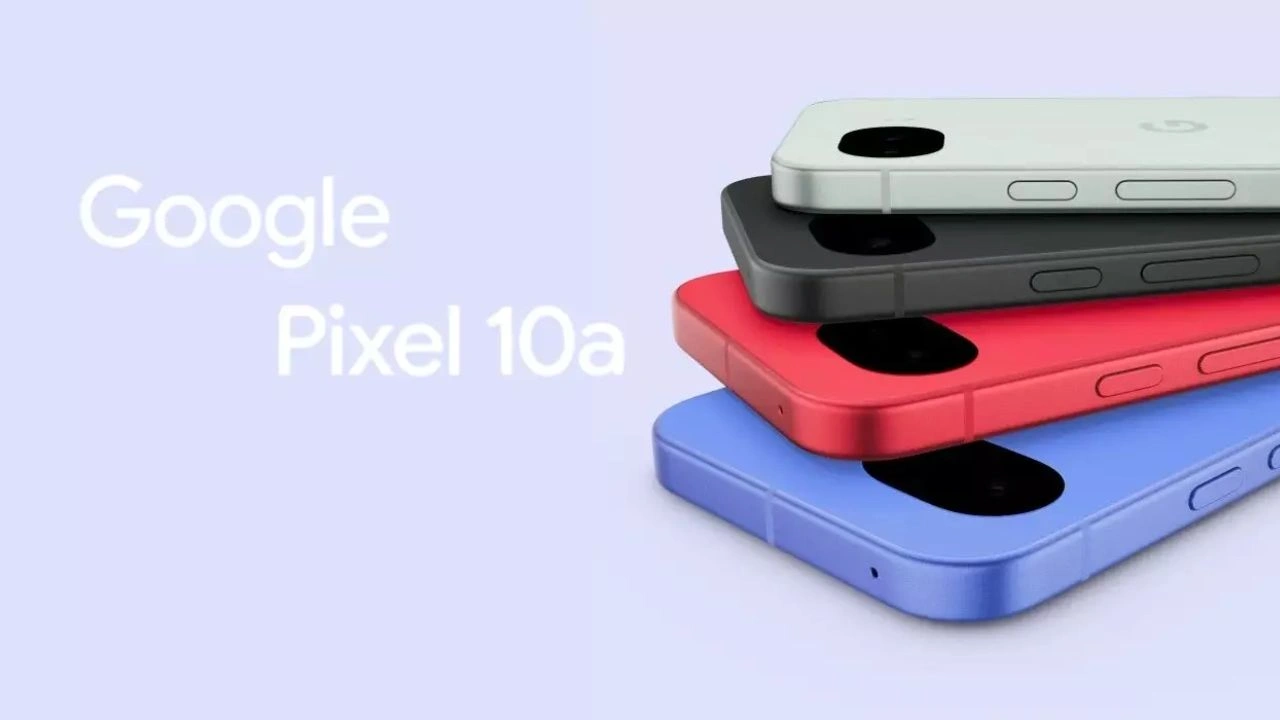
google pixel 10a launch: Mid-range Android competition intensifies as smarter buyers seek stronger performance, bigger batteries, and superior displays beyond Google’s latest Pixel release.
Google’s Pixel “A” series has long been celebrated for delivering flagship-grade camera performance at a mid-range price. However, the arrival of the Pixel 10a has sparked fresh debate among tech enthusiasts and budget-conscious consumers alike. While the device continues Google’s tradition of offering clean software and reliable photography, it faces unprecedented competition from Android rivals that now deliver more powerful hardware, larger batteries, faster charging, and higher refresh-rate displays at similar — or even lower — prices.
In 2026, buyers are no longer satisfied with incremental upgrades. They want meaningful value. And when comparing specs, pricing, and real-world usability, several Android smartphones stand out as better overall deals than the Pixel 10a.
Below is a detailed breakdown of seven Android devices that arguably offer stronger value propositions across performance, display quality, battery life, gaming capability, and overall versatility.
The Pixel 10a: Solid but Incremental
Before diving into the alternatives, it’s important to understand where the Pixel 10a stands.
The Pixel 10a continues Google’s formula:
- Tensor G4 chipset
- Clean, stock Android experience
- Strong AI-powered camera features
- OLED display with smooth refresh rate
- Long-term software support
On paper, it’s a reliable mid-range device. However, the criticism lies in its lack of bold innovation. The chipset remains focused more on AI features than raw performance. Battery and charging speeds are respectable but not class-leading. And pricing places it dangerously close to devices offering significantly more powerful hardware.
For casual users, it’s dependable. But for buyers who want maximum performance per dollar, the competition looks stronger than ever.
1. Google Pixel 9a: The Smarter Budget Choice
Sometimes the best alternative comes from within the same brand.
The Pixel 9a offers nearly identical everyday performance to the Pixel 10a at a noticeably lower price. With the same Tensor G4 architecture, similar OLED display size, and comparable camera performance, it delivers almost everything most users need.
Why It’s a Better Deal:
- Significantly lower price point
- Similar photography performance
- Same clean Android experience
- Comparable battery life
For buyers who don’t need minor refinements introduced in the newer model, the Pixel 9a represents better cost efficiency. In practical usage — browsing, social media, photography, streaming — the difference is minimal.
This makes the Pixel 9a one of the most logical alternatives for budget-focused consumers.
2. Motorola Signature: Flagship-Level Performance Without Premium Pricing
Motorola’s resurgence in the premium mid-range segment has surprised many.
The Motorola Signature stands out for packing a Snapdragon 8 Gen 5 chipset, pushing it closer to flagship territory. Unlike the Pixel 10a, which prioritizes AI features over raw power, this device delivers superior gaming and multitasking performance.
Key Strengths:
- High-performance Snapdragon processor
- Up to 16GB RAM options
- Large AMOLED display with high resolution
- Advanced video recording capabilities
- Faster charging support
For gamers and power users, this device outpaces the Pixel 10a in demanding scenarios. Heavy multitasking, 4K/8K recording, and graphics-intensive gaming run noticeably smoother.
The Motorola Signature is ideal for those who want flagship performance without crossing into ultra-premium pricing.
3. OnePlus 15R: A Battery and Gaming Powerhouse
OnePlus has built its reputation on delivering performance-focused devices, and the OnePlus 15R continues that legacy.
Equipped with a Snapdragon 8 Gen 5 processor and an enormous battery capacity, this phone is built for endurance and speed.
What Makes It Superior:
- Massive 7000mAh+ battery class
- Ultra-fast charging support
- 165Hz AMOLED display for fluid visuals
- Strong thermal management for gaming
- Smooth OxygenOS experience
For mobile gamers and streaming enthusiasts, the 165Hz display provides a noticeably smoother experience than the Pixel 10a’s panel. Meanwhile, the battery capacity ensures all-day heavy usage without anxiety.
If longevity and gaming performance matter more than AI photo enhancements, the OnePlus 15R delivers tremendous real-world value.
4. Samsung Galaxy A56 5G: The Balanced All-Rounder
Samsung’s Galaxy A series continues to dominate global mid-range sales, and the Galaxy A56 5G exemplifies why.
Rather than focusing on one standout feature, this device aims for balance.
Highlights:
- 6.7-inch Super AMOLED display
- 120Hz refresh rate
- Reliable mid-range processor
- 5000mAh battery
- Samsung’s refined One UI software
- Strong brand reliability and service network
While it may not outperform competitors in extreme benchmarks, it delivers consistency across the board.
Samsung’s software ecosystem, including security updates and ecosystem integration, adds long-term value. For buyers who prioritize brand trust, display quality, and everyday reliability, the Galaxy A56 5G offers a safer and often more versatile option than the Pixel 10a.
5. OPPO Reno15 5G: Feature-Rich and Performance-Oriented
OPPO’s Reno series has steadily improved its performance-to-price ratio, and the Reno15 5G is a strong example.
With a Snapdragon 7 Gen 4 processor and large battery capacity, this device positions itself as a capable all-rounder for entertainment-heavy users.
Strength Areas:
- Vibrant AMOLED display
- Strong mid-range chipset
- Large battery capacity
- Fast charging support
- Competitive camera hardware
The Reno15 5G appeals particularly to younger audiences who prioritize gaming, social media, and multimedia consumption.
Compared to the Pixel 10a, it may lack Google’s advanced computational photography, but it compensates with stronger hardware specifications at a similar or lower price.
6. Redmi Note 15 Pro+: Budget Champion With Premium Specs
Xiaomi’s Redmi Note series continues to redefine what “budget” means.
The Redmi Note 15 Pro+ offers specifications that would have been considered flagship-level just a few years ago.
Why It Stands Out:
- High refresh-rate display
- 200MP main camera sensor
- Snapdragon 7s Gen 4 chipset
- Competitive pricing
- Large battery with fast charging
For price-sensitive buyers, this device delivers remarkable value. While software experience may not be as clean as Pixel’s stock Android, hardware advantages often outweigh that drawback for many users.
It’s an excellent choice for photography enthusiasts who want high megapixel counts and strong daylight performance without paying flagship prices.
7. Nothing Phone (3a) Pro: Design Innovation Meets Capability
Nothing has carved a unique niche in the smartphone market with bold design and transparent aesthetics.
The Nothing Phone (3a) Pro combines distinctive looks with competitive mid-range hardware.
Core Strengths:
- Eye-catching transparent design
- Smooth 120Hz AMOLED display
- Capable mid-range chipset
- Solid camera performance
- Clean Nothing OS interface
While not necessarily the most powerful device in this list, it delivers brand identity, performance balance, and style differentiation — qualities that appeal strongly to younger buyers.
Compared to the Pixel 10a, it offers a fresher design language while maintaining competitive pricing.
Key Buying Considerations in 2026
Choosing between these devices depends on personal priorities. Here’s a quick breakdown:
- Best for pure Android experience: Pixel 9a
- Best for gaming performance: OnePlus 15R
- Best for flagship-level power: Motorola Signature
- Best balanced everyday device: Galaxy A56 5G
- Best budget hardware value: Redmi Note 15 Pro+
- Best design-focused device: Nothing Phone (3a) Pro
- Best multimedia-focused option: OPPO Reno15 5G
The Pixel 10a remains a solid device. But in 2026, “solid” may not be enough when competitors are pushing aggressive hardware upgrades and competitive pricing strategies.
The Bigger Picture: Mid-Range Market Evolution
The mid-range smartphone segment has transformed dramatically over the past five years.
Features once reserved for $1,000 flagship devices — high refresh-rate displays, massive batteries, advanced camera sensors, and powerful chipsets — are now widely available under mid-tier pricing brackets.
Manufacturers are no longer competing solely on brand recognition. They are competing on measurable hardware value.
This shift makes it harder for incremental updates, like those seen in the Pixel 10a, to stand out unless they introduce groundbreaking innovation.
Consumers are smarter, more spec-aware, and more value-driven than ever.
Conclusion: Value Is Now Multifaceted
The Google Pixel 10a is not a bad phone. In fact, it remains one of the most polished mid-range Android devices available. Its clean interface, AI-driven camera enhancements, and reliable software support make it attractive.
However, when evaluating overall value — performance per dollar, battery endurance, display technology, and raw hardware capabilities — several competitors now offer stronger packages.
For buyers in 2026, the decision should be driven by usage needs:
- Heavy gamer? Choose performance-first devices.
- Long battery life user? Go for larger-capacity models.
- Budget-focused? Redmi Note series dominates.
- Clean software lover? Pixel 9a might suffice.
- Design enthusiast? Nothing Phone stands apart.
In today’s market, the Pixel 10a is no longer the automatic mid-range champion. It’s one contender among many — and for many consumers, better deals are available.
3 thoughts on “7 Android Phones That Offer Better Value Than the Google Pixel 10a in 2026”