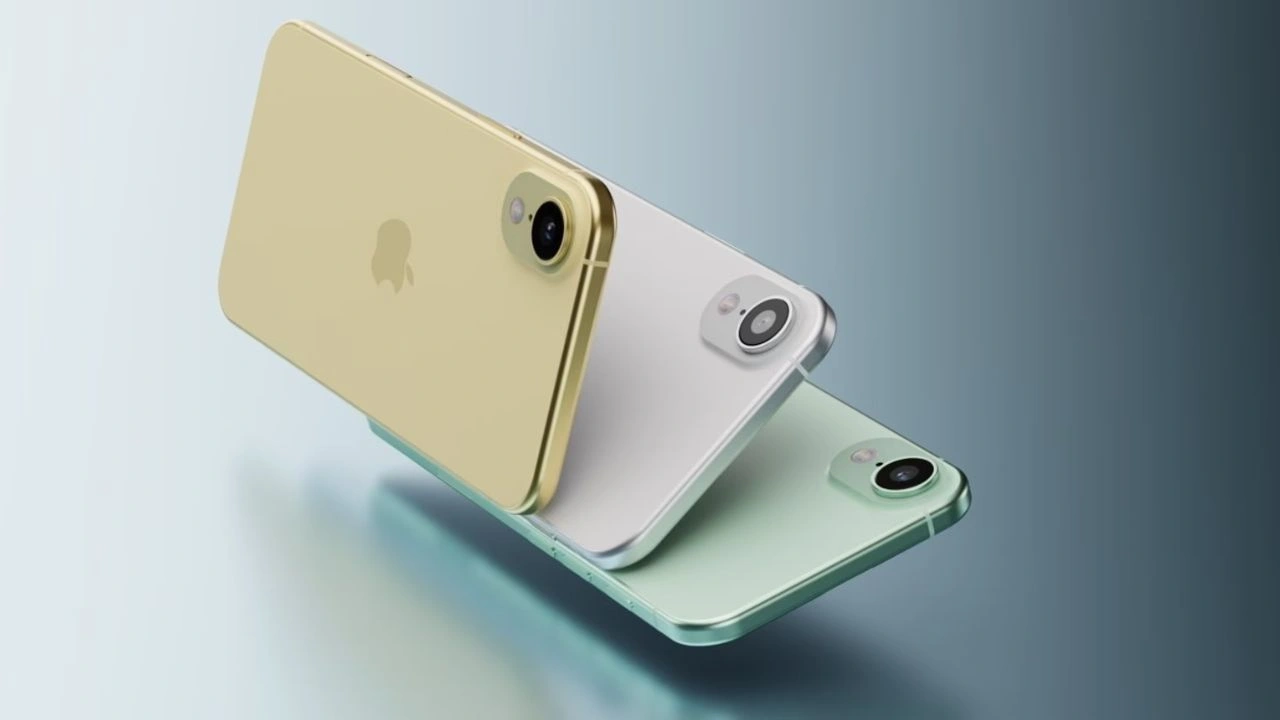
iPhone Air: A design-first iPhone concept that could redefine portability, efficiency, and everyday comfort.
Apple has always treated naming carefully. When the company uses the word “Air,” it signals a very specific design philosophy: thinness, lightness, efficiency, and balance. From the MacBook Air to the iPad Air, the branding consistently represents products that strip away excess without sacrificing core capability. The idea of an iPhone Air therefore carries major implications—not just for design, but for how Apple may be rethinking the future of its smartphone lineup.
While Apple has not officially announced a product named iPhone Air, the term has gained traction across industry discussions as a potential direction rather than a confirmed device. This article explores what an iPhone Air would realistically represent if Apple were to introduce it, how it would fit within the existing iPhone family, and—most importantly—whether such a device would actually solve real user problems.
Understanding Apple’s “Air” Philosophy
To understand what iPhone Air could mean, it’s essential to understand how Apple uses the Air branding across products from Apple.
What “Air” Has Always Represented
- A focus on lightweight construction
- Prioritization of energy efficiency
- Balanced performance rather than peak specs
- Mainstream appeal rather than niche experimentation
The MacBook Air, for example, never aimed to be Apple’s most powerful laptop. Instead, it became the most popular because it was thin, quiet, long-lasting, and comfortable to use every day. An iPhone Air would likely follow the same principles.
Read Also: Vivo X200 Ultra: A No-Compromise Flagship Built for Power Users and Photography Enthusiasts
Why a Lighter iPhone Matters in 2026
Smartphones have grown heavier over the years due to:
- Larger batteries
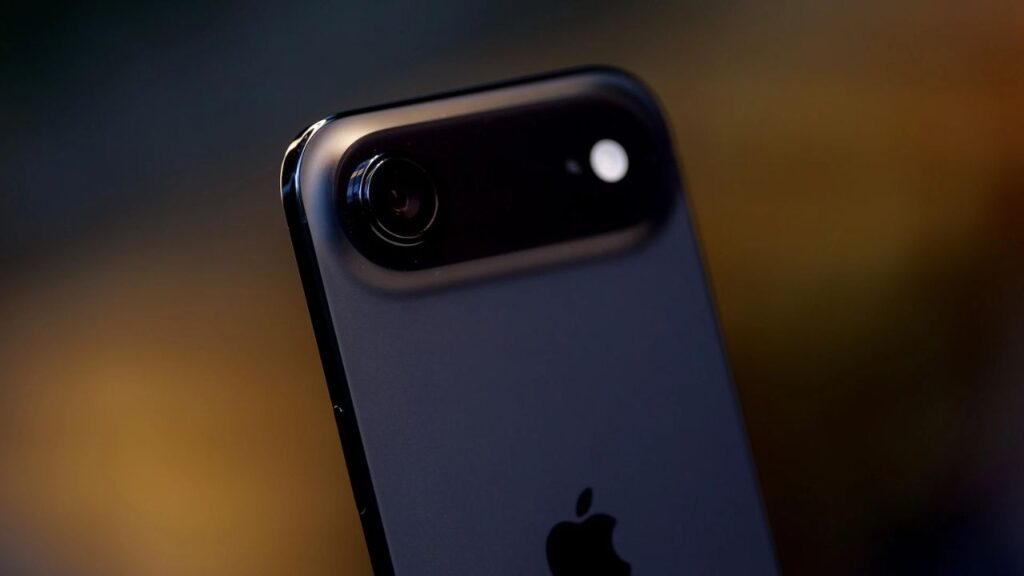
- Bigger camera modules
- Glass-and-metal construction
While these changes improved performance and photography, they also introduced fatigue. Many users now experience:
- Wrist strain during prolonged use
- Difficulty using phones one-handed
- Discomfort when carrying phones in pockets
An iPhone Air would directly address these issues by shifting the design conversation away from “bigger and heavier” toward “lighter and more ergonomic.”
Design Expectations: Thin, Minimal, Purposeful
If Apple introduces an iPhone Air, design would be the headline feature—not camera count or benchmark numbers.
Likely Design Characteristics
- Significantly reduced thickness
- Lightweight materials such as advanced aluminum alloys
- A flatter, cleaner back design
- Smaller or redesigned camera bump
- Subtle, minimalist color options
Apple has repeatedly shown that it can engineer thin devices without compromising structural integrity. An iPhone Air would almost certainly feel different the moment you pick it up—lighter, more balanced, and less fatiguing.
Display Approach: Comfort Over Extremes
Apple rarely adopts display features just to match competitors. An iPhone Air would likely use a high-quality OLED panel, but with optimization focused on efficiency rather than maximum brightness or extreme refresh rates.
What Users Would Benefit From
- Excellent color accuracy
- Strong outdoor readability
- Power-efficient display tuning
- Comfortable long-term viewing
Rather than chasing 144Hz marketing numbers, Apple would likely focus on perceived smoothness and battery efficiency, which aligns with the Air philosophy.
Performance Strategy: Efficiency Is the New Power
Apple’s A-series chips already outperform most competitors in real-world usage. An iPhone Air would not need the most powerful variant of Apple Silicon—it would need the most efficient one.
Why This Matters
- Less heat generation
- Longer sustained performance
- Better battery life in a thinner body
- More consistent everyday responsiveness
For most users, the difference between “extremely fast” and “slightly faster” is irrelevant. What matters is how the phone feels after hours of use, not after a 30-second benchmark run.
Battery Life: The Real Engineering Challenge
One of the biggest concerns about a thinner iPhone is battery life. Apple’s challenge would be to deliver:
- All-day battery life
- Stable performance
- Minimal thermal throttling
Apple has historically excelled here by combining:
- Custom silicon efficiency
- Tight hardware-software integration
- Aggressive background task management
An iPhone Air would likely rely on smarter power optimization rather than raw battery capacity, similar to how MacBook Air achieves excellent endurance with relatively modest batteries.
Camera System: Refinement Over Expansion
Cameras are often the reason phones become heavier. An iPhone Air would likely:
- Use fewer lenses than Pro models
- Focus on sensor quality rather than quantity
- Rely heavily on computational photography
What This Means for Users
- Excellent everyday photos
- Consistent video quality
- Fewer extreme zoom capabilities
- Better balance between camera performance and device weight
For most people, this trade-off is acceptable. The majority of smartphone photos are taken at standard focal lengths.
Software Experience: Where Apple Wins
This is where an iPhone Air could truly shine. iOS is designed around:
- Fluid animations
- Predictable performance
- Long-term update support
A lighter, cooler-running iPhone could feel even smoother in daily use. Combined with Apple’s long software support cycles, an iPhone Air would be a long-term investment device, not a short-term upgrade.
Who Would the iPhone Air Be For?
An iPhone Air would not replace the Pro models. Instead, it would appeal to:
- Users who prioritize comfort and portability
- People upgrading from older, smaller iPhones
- Professionals who use phones all day
- Users who want Apple quality without Pro bulk
- Buyers tired of oversized, heavy phones
This would position the iPhone Air as a mainstream premium device, not a niche experiment.
How iPhone Air Could Fit Into Apple’s Lineup
If introduced, the lineup might conceptually look like:
- iPhone SE – entry level
- iPhone Air – lightweight, balanced mainstream
- iPhone Pro – performance and camera focused
- iPhone Pro Max – maximum size and battery
This would give buyers clearer choices based on usage style rather than just price.
Potential Trade-Offs to Expect
No device is perfect. An iPhone Air would likely involve:
- Smaller battery than Pro Max models
- Fewer camera features
- Possibly fewer premium materials like stainless steel
- Less emphasis on extreme photography
For many users, these are reasonable compromises.
Why the iPhone Air Concept Makes Sense Now
The smartphone market has matured. Innovation is no longer about adding features—it’s about refining experience. Apple has historically succeeded by recognizing when the market shifts from “more” to “better.”
A lighter iPhone could represent:
- A response to growing device fatigue
- A move toward ergonomic design
- A renewed focus on everyday usability
Read Also: Honor 500 Pro Review: Battery, Camera and Snapdragon 8 Elite Power
What Users Should Not Expect
To manage expectations realistically:
- It would not be Apple’s cheapest phone
- It would not replace Pro performance tiers
- It would not chase extreme hardware specs
- It would not sacrifice Apple’s design standards
Understanding this helps avoid disappointment and aligns with Apple’s historical approach.
Final Perspective: Why iPhone Air Is a Logical Evolution
The idea of an iPhone Air isn’t about novelty. It’s about acknowledging that comfort, efficiency, and balance matter more than raw specs for most users. If Apple chooses to introduce such a device, it would likely become one of the most popular iPhones—not because it’s the most powerful, but because it’s the easiest to live with.
In a world of increasingly heavy smartphones, lighter could become the next big premium feature.